Designers: Neil Kwiatkowski, Michael Day, Mason Umholtz, Charlie Paradise, Theresa McShane. For Plano Fishing: Charlie Davis, Clark McCune, John Whalen, Allen Gerten, Ryan Kleckner, and Chris Russell, Smart Design, New York, New York, USA
Manufacturer: Plano Synergy Holding, Inc., Grand Prairie, Texas, USA

For competition anglers, tackle management is everything. Losing time looking for the right lure or detangling hooks can mean missing out on first place and a prize worth tens of thousands of dollars. In addition, lures are an investment and need to be kept in top condition — which is not easy when they are used in a wet environment and are prone to rusting.
The Plano EDGE tackle box system is designed to meet all of these challenges and more. The system is made up of general-purpose and lure-specific boxes, designed and engineered with the competition angler in mind. Every box has three layers of moisture protection built in, and each box solves specific problems associated with different tackle types. In the first 10 months of sales, EDGE oversold the original forecast by 50%, with specialty boxes overselling forecasted numbers in excess of 100%.
To prevent rust, every box has three types of moisture protection built in:
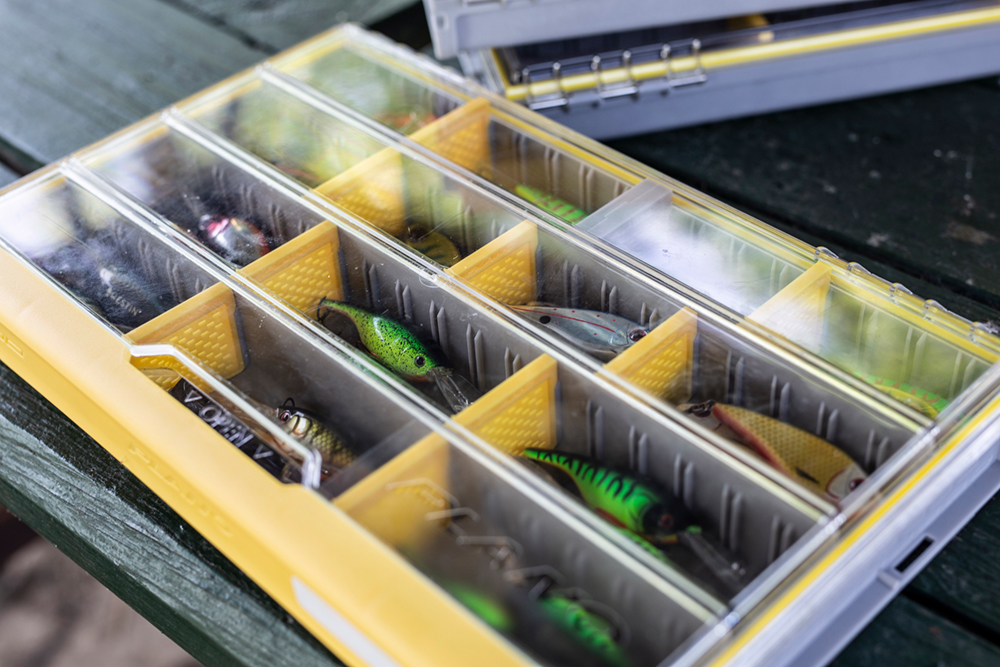
To reduce the time it takes to find the right tackle, every box has a crystal-clear lid and oversized latch that can be opened with one hand. An integrated labeling system facilitates tackle identification when the boxes are stacked in a bag or locker.
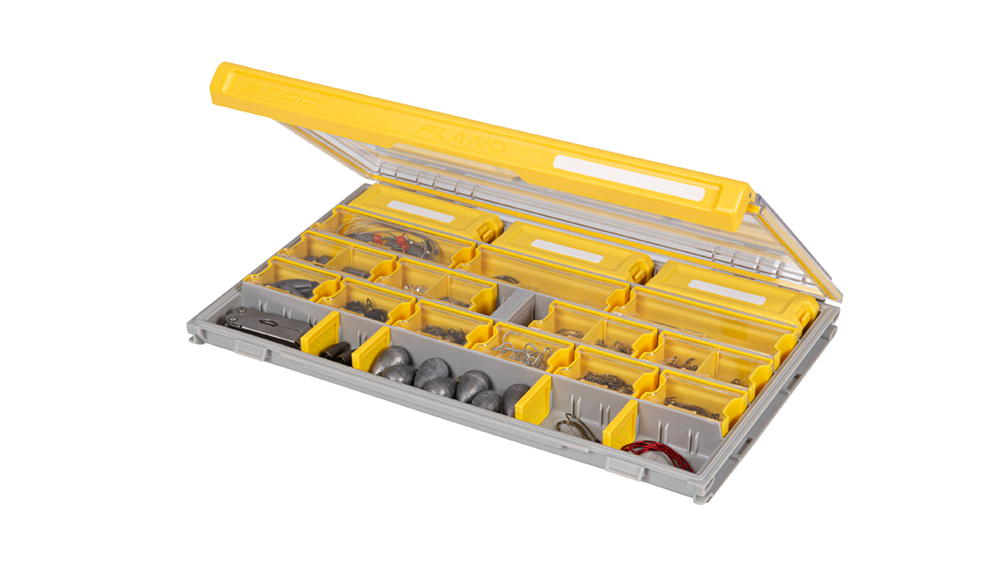
The general-purpose tackle box is the workhorse of the set and is built to be the only box that recreational anglers need. This box addresses wasted space by having tightly spaced divider positioning and is the first tackle box to solve the issue of hooks getting caught under dividers by putting each into a recess. They are stackable, sized for tackle bags and lockers, and come in three depths.
The other tackle boxes are designed with specific tasks in mind. The terminal tackle box has lift-out compartments that ensure hooks, swivels, and weights can be taken out safely and easily, and padded weight boxes to keep expensive tungsten weights cradled and separated so that they do not get damaged in transit.
Crankbaits are painted, often by hand, and protecting this finish is just as important as making sure they don’t get tangled or rusty. The crankbait box holds these lures in an entirely new way, using an array of silicone fingers to securely hold each crankbait, regardless of size or shape, ensuring they are protected and separated.
The problem with spinnerbaits is that they hold a lot of water in their skirts. The spinnerbait box has a central rail for hanging baits so that they dry naturally. This central rail also helps in identification, as all the lures can be seen at once, with vented dividers between sections.
Jigs and blades have a box with plastic fingers designed to hold the maximum number of lures without tangling, as well as dividers to keep things organized. With the dividers removed, this can double as a dry box for tools or electronics.